Author Archives: 瀬分

Zoom開催「地域と連携した学術研究(Community Engaged Scholarship:CES)と国際化 -学術成果を生み出す二つのアプローチの相互関係を探る-」のご案内

【情報提供者:名古屋大学高等教育研究センター】

名古屋大学高等教育研究センターよりセミナーのご案内です。

———

第121回客員教授セミナー

日時:2026年3月24日(火)13:00-15:00

Zoom開催「地域と連携した学術研究(Community Engaged Scholarship:CES)と国際化
-学術成果を生み出す二つのアプローチの相互関係を探る- 
Community Engaged Scholarship and Internationalization: Exploring Interconnections Among Two Approaches for Producing Scholarship」

John Begeny 氏(ノースカロライナ州立大学(NCSU)心理学部 人文社会科学部心理学科 教授)
Professor, Department of Psychology College of Humanities and Social Sciences, NCSU

概要:
世界の高等教育機関において、多くの大学は、教員に対し、専門分野の知を前進させると同時に、学外の個人や地域のウェルビーイングを高める意義ある学術成果の創出を求めている。
また、多くの大学では、国際的意義を持つ研究や、国際共同研究の推進も重視されている。
その結果、社会的に応用可能であり、かつ国際的妥当性を備えた研究成果が生み出されることが少なくない。
一方で、そのような学術成果を生み出すための枠組みやアプローチ、すなわち、(a)地域と連携した学術研究(Community Engaged Scholarship:CES)と(b)国際化に関わる価値、原則、実践について、教員が深く検討する機会は必ずしも多くない。
本セミナーでは、これら二つのアプローチに関する理論、研究、実践を検討し、それぞれの相違点と重なり合う点を明らかにする。
さらに、日本の研究型大学で働く教員の文脈に即して、これらのテーマを考察する。
参加者は、以下の点について理解を深めることが期待される。
(a)CESおよび国際化を通じて学術成果を生み出す際に関わる研究、実践、概念―その収斂点と相違点
(b)日本の大学教員がこれらのアプローチをどのように概念化し、語っているのか
(c)これらのアプローチが大学教育・学習とどのように関連しているのか
(d)今後必要とされる研究課題

Within higher education institutions worldwide, most research-active universities expect faculty to produce meaningful scholarship that advances disciplinary knowledge and strengthens the well-being of individuals and communities beyond campus.
Many also aim for faculty to generate research with global significance and/or through international collaboration.
Consequently, faculty often produce work that is societally applicable and internationally relevant.
It is less common, however, for faculty to deeply consider frameworks or approaches for producing such scholarship, including the values, principles, and practices associated with (a) community engaged scholarship (CES) and (b) internationalization.
This seminar will examine theory, research, and practice related to these two approaches and will clarify how they differ and overlap.
It will also explore these topics in the context of faculty working in research-active universities in Japan.
Attendees should gain a deeper understanding of: (a) the research, practices, and concepts involved in producing scholarship through CES and internationalization?including points of convergence and divergence; (b) how some faculty in Japanese universities conceptualize and discuss these approaches; (c) how the approaches relate to university teaching and learning; and (d) future research needed in these areas.

使用言語:英語

定員:100名
参加費:無料
参加方法:参加申込された方にセミナー開催前日までにお知らせします。

詳細はこちらをご覧ください↓(申込締切 3月22日)
https://web.cshe.nagoya-u.ac.jp/event/124/

———-

皆さまのご参加をお待ちしております。

記事のお問い合わせ先
名古屋大学高等教育研究センター
教育関係共同利用拠点【質保証を担う中核教職員能力開発拠点】
〒464-8601名古屋市千種区不老町
Tel 052-789-3534
Fax 052-789-5695


 

Professor Huang’s commentary was published in “University World News”

We are pleased to announce that a commentary by Professor Huang Futao was published in “University World News” on 13 March, 2026.

The title of the article is ‘China boosts science funding, expands elite universities’ and the full text can be viewed at the following link.
🔗https://www.universityworldnews.com/post.php?story=20260313133311153

Title: China boosts science funding, expands elite universities
Publication: University World News
Publication Date: March 13, 2026

黄福涛教授のコメントが『University World News』に掲載されました

弊センターの黄福涛教授のコメントが、2026年3月13日付の『University World News 』 に掲載されましたので、ご紹介いたします。
掲載記事「China boosts science funding, expands elite universities」では、中国政府が科学技術分野における研究投資を拡大し、世界一流大学・一流学科の育成を目指す「双一流」政策を一層強化する方針が取り上げられています。記事の中で黄教授は、中国において高等教育が国家発展の中核、特に科学技術力の強化と高度人材の育成を支える重要な戦略資源として位置づけられている点についてコメントしています。

詳細は、以下のリンク先をご覧ください。
https://www.universityworldnews.com/post.php?story=20260313133311153
記事のタイトル:「China boosts science funding, expands elite universities」
掲載媒体:『University World News』
掲載日:2026年3月13日

Associate Professor Sakurai’s co-authored article is published

Associate Professor Yusuke Sakurai’s co-authored paper is published on Innovations in Education and Teaching International.

Title: “Turning the spotlight on intellectual humility: A potentially novel approach to fostering doctoral development (and researcher independence)”
Authors: Elliot, D. L., Albertyn, R. M., & Sakurai, Y.
Journal: Innovations in Education and Teaching International
Publication date: 10 February 2026

This paper is available in open access. For more information, please visit the following link:
🔗 https://doi.org/10.1080/14703297.2026.2629481

The Power to Say “I Don’t Know yet” Makes Better Researchers: How Intellectual Humility Innovates Personal Growth

Graduate research, especially the path toward a PhD, is often described as a “journey from the unknown to the known”. As they face mountains of data and complex theories, many researchers hit a wall. Some experience “Imposter Syndrome”—the overwhelming fear that they don’t actually know anything—while others may fall into the “Dunning-Kruger Effect,” where they overestimate their own knowledge and abilities. A research paper published in February 2026 by Dely Elliot, Ruth Albertyn, and Yusuke Sakurai suggests that the key to overcoming these struggles and becoming a truly independent researcher lies in “Intellectual Humility”.

What is “Intellectual Humility”?
When you hear the word “humility,” you might think of someone simply acting modest or self-deprecating. However, the “Intellectual Humility” (IH) proposed in this paper is a much more dynamic and strategic approach. It refers to the ability to conduct a “realistic appraisal” of both your strengths and your weaknesses. In short, it is an honest attitude toward knowledge: not exaggerating what you know and not hiding what you don’t know.

The paper describes IH as a delicate balance—like an “Aristotelian mean”—between two extremes:

Intellectual Arrogance: Believing you already know everything and rejecting the opinions of others. This mindset brings personal growth to a standstill.
Intellectual Servility: Lacking confidence in your own views and simply mimicking authority figures or staying silent. This, too, prevents new discoveries.

Image generated by Copilot

By maintaining a balance between these two extremes, much like a “see-saw,” Intellectual Humility becomes the “fulcrum to transformation” that enables flexible thinking and new learning.

A Global Value with Diverse Faces
An interesting aspect of this study is that it was a collaboration between researchers from very different cultural backgrounds: Britain, Japan, and South Africa.

In Japan, the proverb “A wise hawk hides its talons” illustrates a cultural value for discretion and maintaining social harmony rather than boasting about one’s competence.
In South Africa, the philosophy of “Ubuntu” (the idea that “I am because we are”) emphasizes the collective and the community as a source of knowledge.
In Britain, religious and historical influences have shaped a tradition of not praising one’s own achievements.

While the “shape” of humility differs by culture, the core truth remains the same: the willingness to recognize your limits and learn through connections with others is essential for intellectual growth.

How Can We Develop “Intellectual Humility”?
The paper proposes a three-step pathway to cultivating this ability:

1.Understanding: Recognizing that IH is not a sign of weakness or a lack of confidence, but rather the “engine” that drives learning.
2.Metacognitive Effort: Taking a step back to observe your own thinking process and constantly asking yourself, “Do I truly understand this?”.
3.Disposition: Realizing that the state of our knowledge is always changing, so we must engage in “constant adjustment” to keep our balance.

A Future Changed by This Research: A “Fulcrum” for Lifelong Learning
Practising Intellectual Humility offers huge benefits for both students and their supervisors. When teachers show that they, too, are still on a journey of learning—a practice called “Cognitive Modelling”—it builds a healthy, trusting relationship and creates a more creative research environment.

We often feel a heavy pressure to be “perfect experts.” However, this research suggests that the courage to admit “I don’t know yet” and to keep an open mind toward the unknown is exactly what leads to true intellectual independence. Beyond the world of research, Intellectual Humility can serve as a lifelong compass for all of us living in today’s rapidly changing knowledge society.


櫻井勇介准教授の共著論文が『Innovations in Education and Teaching International』掲載されました

櫻井勇介准教授の共著論文が『Innovations in Education and Teaching International』掲載されましたのでご紹介いたします。

■ 書誌情報
タイトル:Turning the spotlight on intellectual humility: A potentially novel approach to fostering doctoral development (and researcher independence)
執筆者:Elliot, D. L., Albertyn, R. M., 櫻井勇介
掲載媒体:『Innovations in Education and Teaching International』
掲載年月:2026年2月10日
本論文はオープンアクセスで公開されています。詳細は以下のリンクよりご覧ください。
🔗 https://doi.org/10.1080/14703297.2026.2629481

■論文紹介
「わからない」と言える力が、よりよい研究者を作る

・知的謙虚さ(Intellectual Humility)がもたらす成長のイノベーション
 大学院での研究、特に博士課程の道のりは、よく「未知から既知への旅」に例えられます。多くの研究者が、膨大なデータや既存の理論を前にして「自分は本当に何も分かっていないのではないか」という不安(インポスター症候群)に襲われたり、逆に自分の能力を過信してしまったり(ダニング=クルーガー効果)する壁に突き当たります。
 2026年2月に発表された本研究論文(Dely Elliot, Ruth Albertyn, & 櫻井勇介)は、この苦境を乗り越え、自立した研究者へと成長するための鍵の一つが「知的謙虚さ」にある可能性を議論しています。

・「知的謙虚さ」とは?

 「謙虚さ」と聞くと、単に自分を低く見せる態度を想像するかもしれません。しかし、この論文で提唱する「知的謙虚さ」は、もっと動的で知的な戦略です。それは、自分の知識の強みと弱みの両方を「現実的に正しく評価すること」を指します。つまり、「知っていること」を誇張せず、「知らないこと」を隠さない、知識に対する誠実な態度のことです。本論文では、この知的謙虚さを下の「2つの極端な状態の間にある絶妙なバランス」として描いています:
・知的傲慢(Intellectual Arrogance): 「自分はすべて分かっている」と思い込み、他人の意見を拒絶する状態。これは成長を止めてしまいます。
・知的卑屈(Intellectual Servility): 自分の意見に自信が持てず、ただ権威のある人の言葉を模倣したり、黙り込んでしまったりする状態。これもまた、新しい発見を妨げます。

本画像は、Copilotによって生成されたものです

「シーソー」のようにこの二つの極端な状態のバランスを保った状態、この「知的謙虚さ」こそが、柔軟な思考と新しい学びを可能にする「変革の支点」となるのです。

・世界共通の価値観、でも現れ方はさまざま
 本研究の面白い点は、イギリス、日本、南アフリカという全く異なる文化背景を持つ研究者が共同で行われた点です。日本では、「能ある鷹は爪を隠す」という言葉に象徴されるように、調和を乱さないための謙虚さが重んじられます。また、南アフリカでは、「ウブントゥ(Ubuntu:他者との繋がり)」という哲学が、共同体としての謙虚さを支えています。イギリスでは、宗教的・歴史的な背景からくる「自己を誇らない」という教えが影響しています。文化によって形は違えど、「自分の限界を認め、他者との繋がりの中から学ぼうとする姿勢」が知的な成長に不可欠であることは、世界共通の真理なのかもしれません。

・どうすれば「知的謙虚さ」を身につけられるのか?
 この論文では、この能力を育てるための3つのステップを提案しています。1)理解(Understanding): まず「知的謙虚さ」が、単なる自信のなさではなく、学びのエンジンであることを正しく知ること。2)そして、メタ認知的な努力(Metacognitive Effort): 自分の思考プロセスを一歩引いて観察し、「私は本当にこれを理解しているか?」と常に問いかけ続けること。3)最後に、マインドセットの育成(Disposition): 知識の状態は常に変化するものであり、バランスを保つには「絶え間ない調整」が必要だと認識することです。

・この研究が変える未来:学び続けるための「支点」
 知的謙虚さを身につけることは、学生だけでなく、指導教員にとっても大きなメリットがあります。教員が「自分もまだ学びの途中である」という姿勢を見せること(Cognitive Modelling)で、学生との間に健康的で建設的な信頼関係が築かれ、より自由で創造的な研究環境が生まれるからです。
 私たちは、つい「完璧な専門家」であらねばならないというプレッシャーを感じがちです。しかし、この論文は、「まだわからないことがある」と認め、未知の領域に心を開く勇気こそが、私たちを本当の意味での知的な独立へと導いてくれるのだと示唆しています。知的謙虚さは、研究者という枠を超えて、変化の激しい現代社会を生きる私たち全員にとっての、一生もののコンパスになる重要な一要素になるはずです。


高大接続の幅広い領域を2日間で総覧 ~ 第9回大学入学者選抜改革オンラインセミナー『高大接続の未来地図』のご案内~

当センターの村澤昌崇教授が登壇いたします。ぜひお申込みください。

学校法人河合塾は大学と高校の教職員を対象に、大学入学者選抜改革オンラインセミナー『高大接続の未来地図』を3月25日(水)と同27日(金)に開催します。今回は、高大接続のさまざまな領域について8つの観点から、最前線で研究・実践に携わる皆様の最新の見地をお話しいただきます。
詳細は、こちらをご覧ください。

日時
3月25日(水)・27日(金)いずれも14:00~17:00

対象
大学入試の企画・業務に携わる教職員、または関心を持つ高校・大学の教職員

形式
オンライン開催(Zoomウェビナー)

参加費
無料

申込方法
3月23日(月)までに下記URLからお申し込みください :
www.keinet.ne.jp/teacher/event/j-bridge/


お問い合わせ先
河合塾グループ 広報センター
TEL:03-6811-5508
MAIL:press@kawaijuku.jp

3月13日(金)第120回教育情報共有会「様々な女子学生たちの新たな挑戦をサポート 神戸女子大学の学生課外活動助成金“神女support”とはどのようなものか」開催のお知らせ

【情報提供者:株式会社マインドシェア 西澤 陽介様】

3月13日の第120回教育情報共有会は、
「様々な女子学生たちの新たな挑戦をサポート 神戸女子大学の学生課外活動助成金“神女support”とはどのようなものか」
というテーマで、神戸女子大学の学生と教員の皆さまよりお話しいただきます。

■申込:https://note.com/eism_ms/n/n8c50213dca13

神戸女子大学(神戸市)は収容定員3,845名で、
https://www.yg.kobe-wu.ac.jp/wu/
家政学部 家政学科/管理栄養士養成課程
文学部 日本語日本文学科/英語英米文学科/国際教養学科/史学科
教育学部 教育学科
健康福祉学部 社会福祉学科/健康スポーツ栄養学科
看護学部 看護学科
心理学部 心理学科
の6学部11学科を設置しています。

神戸女子大学では、学生による自主的な課外活動を支援する「神女support」を2022年度に開始し、
https://www.yg.kobe-wu.ac.jp/wu/area/activities/categorical_assistance.html
2025年度は6団体が採択されています。

今回は2025年度に採択された
「神女ポーアイボランティアセンター」「子ども食堂ぐるりと。」の皆さまから
■実施したきっかけ
■どのようなことを実施したのか
■実施したことで得たこと
■今後について
などについて、お話しいただきます。

皆さまのお申込みを心よりお待ちしております。

【実施概要】
第120回教育情報共有会
「様々な女子学生たちの新たな挑戦をサポート 神戸女子大学の学生課外活動助成金“神女support”とはどのようなものか」
■日時:2026年3月13日(金)16時00分~17時00分
■登壇:
「神女ポーアイボランティアセンター」
  加治 菜々実さん(健康福祉学部 社会福祉学科 3年)
  谷本 沙樹さん(健康福祉学部 社会福祉学科 3年)
  木村 あい氏(健康福祉学部 社会福祉学科 教授)
「子ども食堂ぐるりと。」
  河瀨 莉歩さん(心理学部 心理学科 1年)
  山田 結菜さん(心理学部 心理学科 1年)
■ファシリテータ:西澤陽介(株式会社マインドシェア)
■対象:どなたでもご覧いただけます
■申込:https://note.com/eism_ms/n/n8c50213dca13
※必ず所属組織の個人メールアドレスでの登録をお願いいたします
※視聴URLについては、絶対に他者へ共有することはお控えください
※1画面を複数人でご覧になる際も、視聴される方おひとりずつのご登録をお願いいたします
■参加費:無料
■配信方法:ZOOM ウェビナー
■主催:株式会社マインドシェア

記事のお問い合わせ先
株式会社マインドシェア 西澤陽介
e-mail:edu-info@mindshare.co.jp


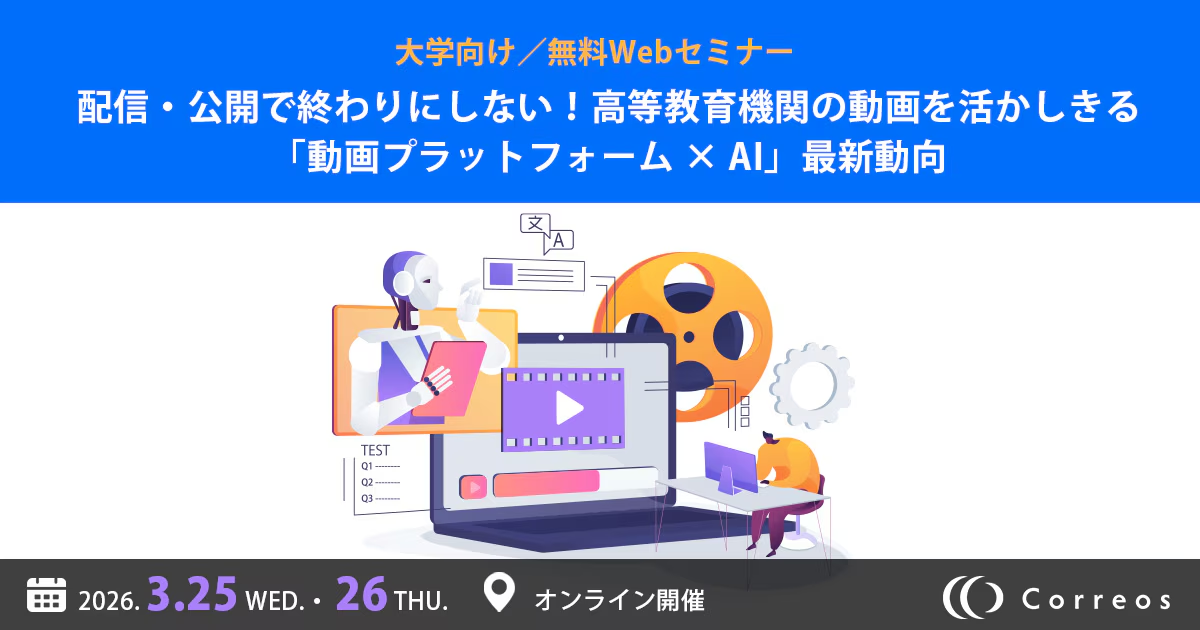
【3/25・26開催】「配信・公開で終わりにしない!高等教育機関の動画を活かしきる 『動画プラットフォーム × AI』最新動向」のご案内

【情報提供者:コレオス株式会社(旧称アシストマイクロ株式会社)】

コレオス株式会社は、3月25日(水)・26日(木)に、無料Webセミナー
「配信・公開で終わりにしない!高等教育機関の動画を活かしきる『動画プラットフォーム × AI』最新動向」を開催いたします。

▼詳細とお申し込みはこちらから
https://www.correos.co.jp/event/ai-builtinto-videoplatform-edu?rihe

\こんな方におすすめです!/
●学内に多くの動画が蓄積されているものの、必要な人に届いていない、
 配信・公開以上の活用ができていない、と感じている方
●動画の字幕作成や多言語対応に対応しきれていない・または作業時間を
 今より削減したい方
●既存の動画からAI技術を用いて新しい教材を作るなど、動画をさらに
 有効活用して教学活動を充実させたい方


遠隔授業やオンデマンド授業の増加に加え、学生・教職員向けの情報発信、
大学広報など、高等教育機関における動画活用はこの数年で大きく普及しました。

一方で、
「字幕を追加し外国語対応やアクセシビリティ向上を図りたいが、手が回りきらない」
「復習用教材や理解度確認テストなどの追加教材を作る負担も大きい」
「動画で丁寧に説明したのに質問や問い合わせが来る」
など、動画を十分に活用しきれていないように感じている教職員の方も多いのでは
ないでしょうか。

このような現状に対し、近年では動画の配信や管理を行うプラットフォームに
AI機能が搭載され、字幕の自動生成や多言語字幕、動画をベースにした教材作成、
チャットでの質問回答など、動画を「活かしきる」ための環境が整いつつあります。
うまく導入・活用することで、動画作成効率を向上させるのはもちろん、学修支援の
さらなる充実化や業務効率化につなげられます。

本セミナーでは、高等教育機関を取り巻く最新の「動画プラットフォーム×AI」の
動向を、実際の動画プラットフォーム「Kaltura」を例に取り上げながら俯瞰し、
動画をどのように活用・再利用できるかを解説します。

━━━━━━━━━━━━━━━━━━━━━━━━━━━━━━━━━━
字幕の多言語対応、動画からの教材作成、質問への迅速な回答…
動画プラットフォームのAI最新動向と具体例をご紹介
━━━━━━━━━━━━━━━━━━━━━━━━━━━━━━━━━━

開催日時: 2026年 3月25日(水)15:00~15:30 
      2025年 3月26日(木)15:00~15:30  
開催方式: オンライン(Zoom)/事前登録制
      *お申し込みされた方に参加用URLをご案内いたします。
参加費 : 無料

お申し込み:
https://www.correos.co.jp/event/ai-builtinto-videoplatform-edu?rihe
  ※お申し込み期限:各開催回の前日17:00まで。
  ※同業他社様のご参加はご遠慮いただいております。

【主な内容】
・なぜ今「動画プラットフォーム × AI」なのか
・動画プラットフォームに搭載され始めているAI機能の例
・具体例として動画プラットフォームKalturaのAI機能のご紹介・
 デモンストレーション
・質疑応答

【ご参加特典】
参加者アンケートにご回答いただいた方にはセミナー資料をお送りするほか、
ご希望の方には、動画活用に関する個別相談のご要望も承ります。

ご案内は以上でございます。
皆様のご参加を心よりお待ちしております。

記事のお問い合わせ先
コレオス株式会社 セミナー事務局
correos_info[at]correos.co.jp

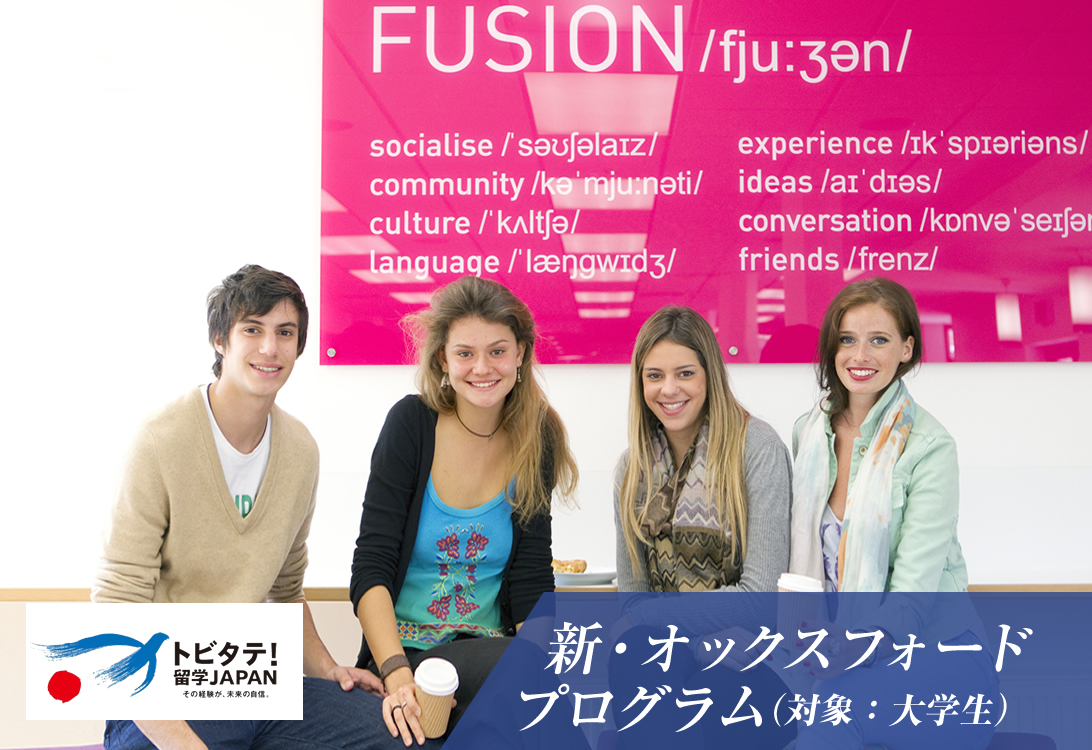
留学を、もっと自分流に、、、「新・オックスフォード プログラム」

【情報提供者:ICC インターナショナル・コミュニケーションズ・カウンシル 赤石眞澄様】

2026年度夏期「留学を、もっと自分流に、、、新・オックスフォード プログラム」を下記の要領で開講いたします。

貴学の学生および関係部署の皆様に、学内電子掲示板、学内Gメールなどでご周知いただければ幸いでございます。

「大学の国際化促進フォーラム」JV-Campus のポータルサイト「日本からの留学情報」で詳細をご案内しています。

https://www.jv-campus.org/find-your-study/study-abroad-from-japan/

https://www.jv-campus.org/jvc-content/365856/

1. ヨーロッパ、南米、中東、アジアから参集する同世代の青少年(18歳以上)と共に学ぶ発信型英語研修は、インターナショナルのクラスで、国際理解・国際競争力を養成します。

2. 1クラス15名~18名、英語のレベル別にクラス編成します。

3.短期留学
  A日程:2026年8月16日ー8月23日

  B日程:2026年8月16日ー8月30日

  C日程:2026年8月16日ー9月6日

  中・長期留学
  D日程:2026年8月16日~2026年10月11日

  E日程:2026年8月16日~2027年1月17日

場所:オックスフォード大学
滞在形態:ホームステイ(朝食・夕食付き)または学寮ステイ(自炊) Free Wi-Fi

WEB 申込:http://icc-edu.com/entryform/form.php

チラシ⇒https://icc-edu.com/uploader/file/20251013100928.pdf

お問合せ:japanoffice@internationalcommunicationscouncil.com

引き続きよろしくお願い申し上げます。

赤石眞澄

https://www.jv-campus.org/jvc-provider/198/
http://internationalcommunicationscouncil.com
Road to Oxford Road to Cambridge
16-1, Aoba-dai, Kita-ku, Kobe-city 651-1231
Japan

Professor Huang’s commentary was published in “University World News”

We are pleased to announce that a commentary by Professor Huang Futao was published in “University World News” on 4 March 2026.

In his article, “Let’s move on from Cold War divisions in international HE,” Professor Huang examines the future of international cooperation in higher education amid the shifting global landscape, where research capacity in Asia and the Global South continues to grow.
He argues for moving beyond Cold War–style binary framings—such as the divide between the “democratic West” and “authoritarian China”—and highlights the importance of diversity and mutual learning within an increasingly multipolar global higher education system.

The commentary was written in response to the following articles recently published in University World News:
Simon Marginson
“Harmony in diversity: The only future path that makes sense”
https://www.universityworldnews.com/post.php?story=20260204084630872

Hans de Wit, Philip G. Altbach, and Chris Glass
“Not all aspects of shift in HE world order are positive”
https://www.universityworldnews.com/post.php?story=20260225103040687

The full article is available at the link below:
🔗 https://www.universityworldnews.com/post.php?story=20260304120122841

Title: Let’s move on from Cold War divisions in international HE
Publication: University World News
Date: 4 March 2026